
Scaling Heights: A Deep Dive into Elevator Maintenance

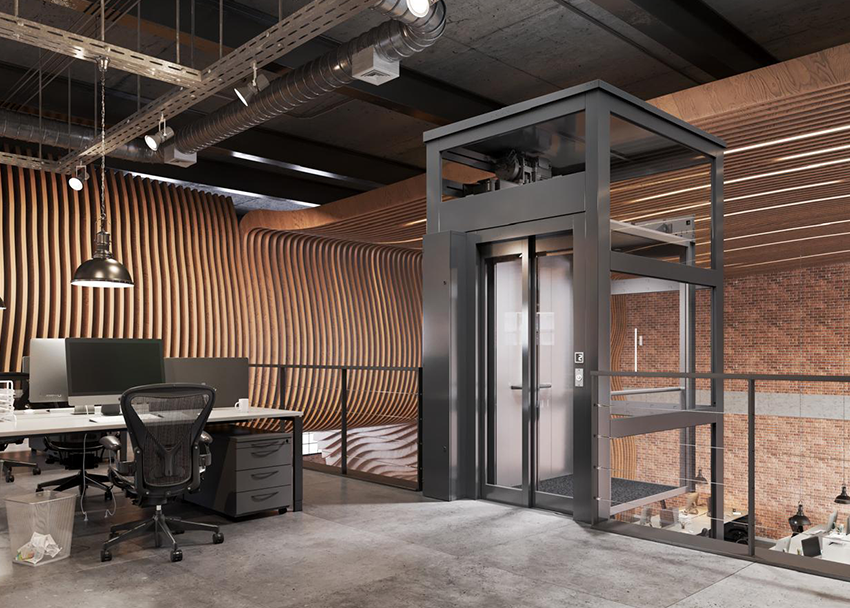
Elevators have become an essential part of modern buildings, providing seamless vertical transportation in residential complexes, commercial establishments, hospitals, hotels, and industrial facilities. While elevators are designed for durability and reliability, their performance and safety largely depend on regular maintenance. Just as a vehicle requires periodic servicing to function efficiently, elevators also need consistent care to ensure smooth operation and prevent unexpected breakdowns.
Proper elevator maintenance is not merely a recommendation—it is a crucial investment in safety, efficiency, and long-term cost savings. Understanding the importance of elevator maintenance can help property owners, facility managers, and building administrators maximize the lifespan of their systems while ensuring a superior user experience.
Why Elevator Maintenance Matters
Elevators operate continuously throughout the day, transporting people and goods across multiple floors. This constant usage naturally leads to wear and tear of mechanical and electrical components. Without regular inspections and preventive maintenance, minor issues can gradually develop into major problems that affect performance and safety.
Routine maintenance helps identify potential faults before they become serious. It ensures that every component, from the control systems and cables to the doors and motors, functions correctly. More importantly, regular servicing reduces the likelihood of unexpected breakdowns, minimizing inconvenience for building occupants.
The Key Components of Elevator Maintenance
Mechanical System Inspection
The mechanical components of an elevator perform the heavy lifting required for vertical transportation. Maintenance technicians carefully inspect the hoisting machinery, guide rails, pulleys, brakes, and suspension systems to ensure they operate efficiently.
Regular lubrication of moving parts reduces friction and prevents premature wear. Any signs of abnormal noise, vibration, or mechanical stress are addressed promptly to maintain optimal performance.
Electrical System Evaluation
Modern elevators rely heavily on sophisticated electrical and electronic systems. Maintenance professionals examine wiring, control panels, sensors, switches, and safety circuits to verify proper functionality.
Electrical inspections help prevent issues such as sudden stoppages, inconsistent floor leveling, and communication failures between system components. By maintaining these critical systems, technicians ensure that elevators remain reliable and responsive.
Door System Maintenance
Elevator doors are among the most frequently used components of the entire system. Thousands of opening and closing cycles occur every month, making doors particularly susceptible to wear.
Routine maintenance includes checking door operators, tracks, rollers, sensors, and locking mechanisms. Properly functioning doors improve passenger safety and contribute significantly to overall elevator efficiency.
Enhancing Passenger Safety
Safety remains the primary objective of elevator maintenance. Modern elevators are equipped with numerous safety mechanisms designed to protect passengers during operation. However, these systems must be inspected and tested regularly to ensure they remain fully functional.
Maintenance technicians evaluate emergency brakes, alarm systems, interlocks, communication devices, and backup power systems. Regular safety inspections help ensure compliance with industry standards and local regulations while providing peace of mind to building owners and occupants.
Improving Energy Efficiency
Energy efficiency has become a significant concern for building operators seeking to reduce operational costs and environmental impact. A poorly maintained elevator often consumes more energy due to increased mechanical resistance and inefficient system performance.
Regular maintenance helps optimize motor performance, control systems, and drive mechanisms. Well-maintained elevators operate more smoothly and consume less electricity, contributing to lower utility expenses over time.
Reducing Long-Term Costs
Many property owners view maintenance as an expense, but it is more accurately considered a cost-saving investment. Preventive maintenance helps avoid expensive emergency repairs and premature component replacements.
Addressing small issues during routine inspections is significantly less costly than dealing with major equipment failures. Additionally, consistent maintenance extends the lifespan of the elevator system, delaying the need for costly modernization or replacement projects.
The Role of Professional Maintenance Services
Elevator systems are complex machines that require specialized knowledge and expertise. Professional maintenance providers possess the technical skills, diagnostic tools, and industry experience needed to identify and resolve issues effectively.
Partnering with a trusted elevator maintenance company ensures that inspections, repairs, and servicing are conducted according to manufacturer recommendations and safety standards. Professional technicians can also provide valuable guidance on modernization opportunities and performance improvements.
Signs Your Elevator Needs Immediate Attention
While regular maintenance schedules help prevent problems, certain warning signs should never be ignored. Frequent breakdowns, unusual noises, jerky movements, delayed door operation, inaccurate floor leveling, and sudden performance changes may indicate underlying issues requiring immediate inspection.
Prompt action can prevent further damage and ensure continued safety for passengers.
Conclusion
Elevator maintenance is the foundation of safe, reliable, and efficient vertical transportation. By investing in regular inspections, preventive servicing, and professional support, building owners can protect their investment, enhance passenger safety, and minimize long-term operating costs.
As buildings continue to grow taller and more technologically advanced, the importance of proactive elevator maintenance becomes even more significant. A well-maintained elevator not only ensures uninterrupted mobility but also reflects a commitment to quality, safety, and operational excellence. For property owners seeking dependable performance and peace of mind, prioritizing elevator maintenance is a step that truly helps them continue scaling new heights.